
“Since ancient times, those skilled in war have feared war.” — The Commander’s Confessions, p. 40
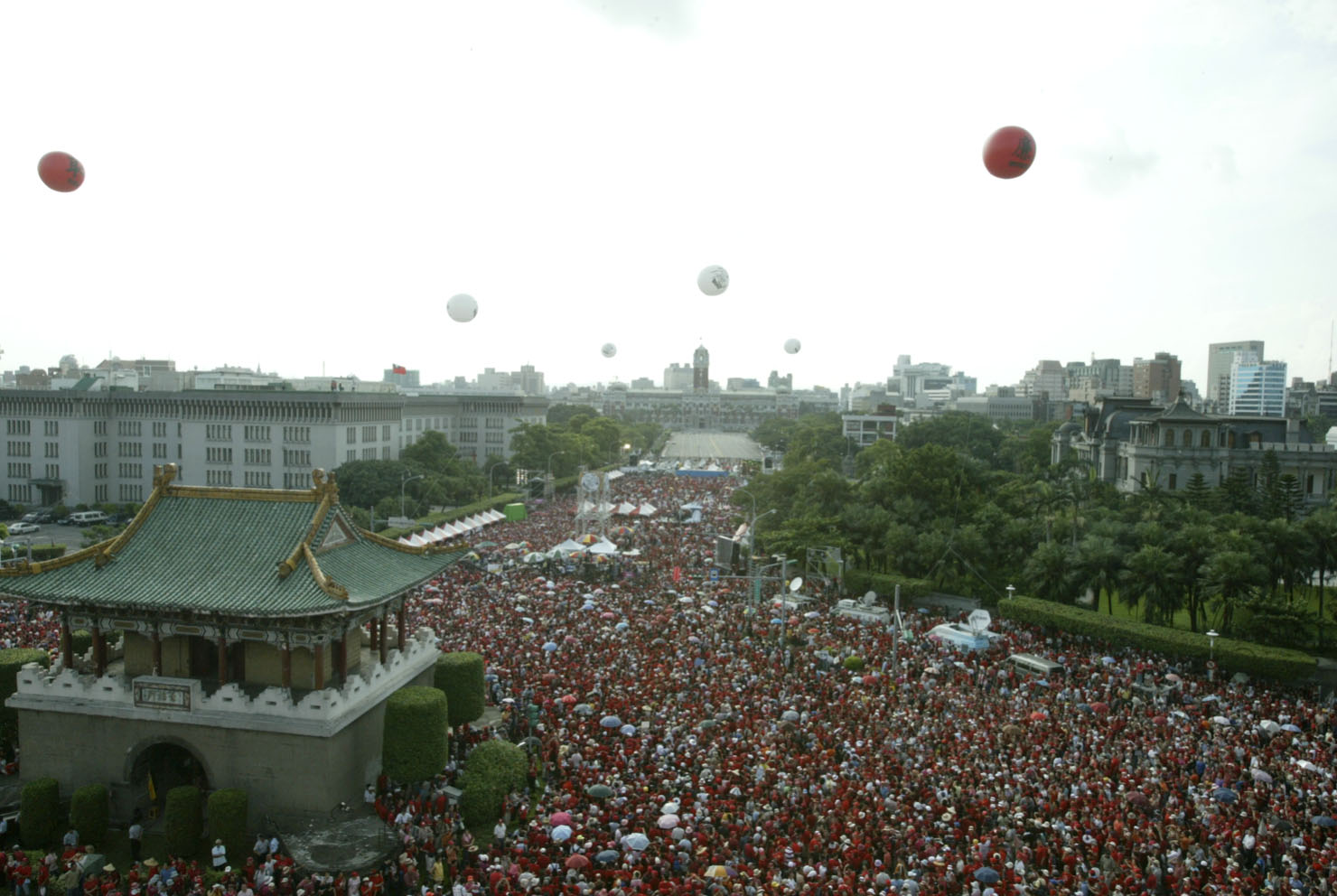
1.3 million people had already sent in their money. The public was waiting to see when he would take his seat on Ketagalan Boulevard. And he postponed, again and again.
Outsiders read this as hesitation, as a missed opportunity. Some said he did not understand the old maxim that courage is at its height at the first drumbeat, flags at the second, and is spent by the third.
The reasons he gave had two layers. On the surface was his health: in mid-July he had just undergone surgery for liver cancer and needed time to recover. Beneath that, he still hoped it would not be necessary to take to the streets. If Chen Shui-bian resigned, society could begin rebuilding early, and none of it would have to happen.
But the deepest layer was a calculation that opposition leaders seldom speak of publicly.
A mass movement is like war: danger at every step. The danger is not only clashes, bloodshed, and casualties; the greater danger is whether it might trigger internal turmoil — and whether that turmoil might give China an opportunity to move against Taiwan. He said this unease had shaped his decisions ever since the Kaohsiung Incident era.
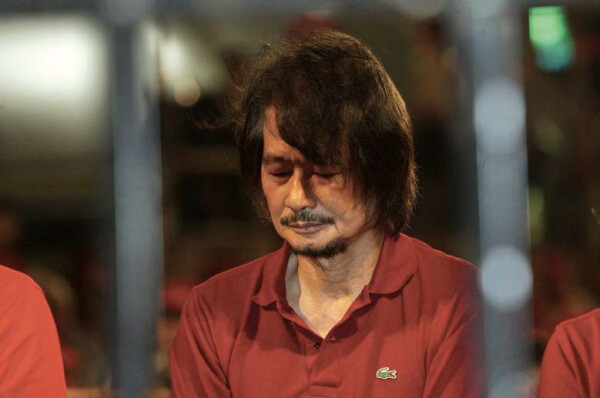
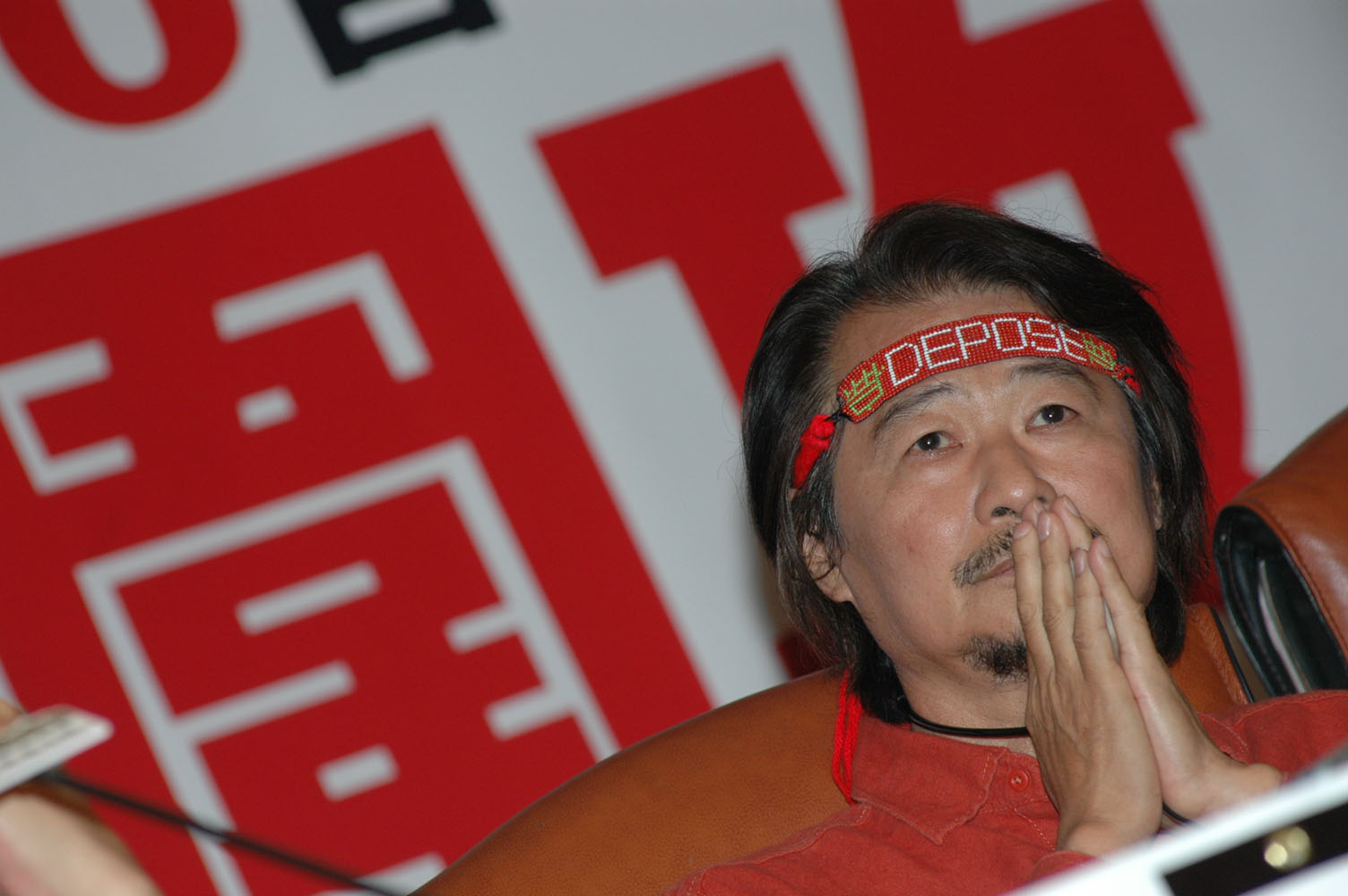
This is the key to understanding the Red Shirts — and to understanding Shih Ming Te. What he weighed was never only who would win this confrontation, but whether the nation would be torn open in the course of it. A man who had resisted authoritarianism all his life, at the moment when he was most able to create chaos, feared chaos itself most of all.
So he took another road. On August 7, he wrote to Chen Shui-bian asking him to resign. On August 9, the China Times published the letter in full on its front page, and public opinion erupted at once. Near noon that day, the Secretary-General of the Presidential Office called to say the president wished to see him, the sooner the better. Two more calls came that night. His reply: unless it is to resign, I no longer wish to hear explanations.
On September 6, Chen Shui-bian returned from Guam to Songshan Airport rather than lingering overseas. A confrontation between the people and their president could no longer be avoided.
He later wrote: when the arrow is on the string and must be loosed, even a three-year-old can be a master archer; when the arrow is on the string and must be loosed, yet one can hold it back — perhaps that takes greater courage and wisdom. The words were originally about not storming the Presidential Office. But they apply equally to those thirty days before the movement took to the streets.
Source: Shih Ming Te, The Commander’s Confessions, 2009, pp. 40–42, 44–45.

Want to learn more about the Red Shirt Movement and the innermost confessions of its commander-in-chief, Shih Ming Te?
Click here to read more about The Commander’s Confessions and get your copy.
The tension between civil society and national security is one of the central questions of the September 9, 2026 International Symposium on Civil Society, Democratic Resilience, and National Security: Twenty Years After Taiwan’s Anti-Corruption Red Shirt Movement.
The Shih Ming Te Foundation needs your support.