
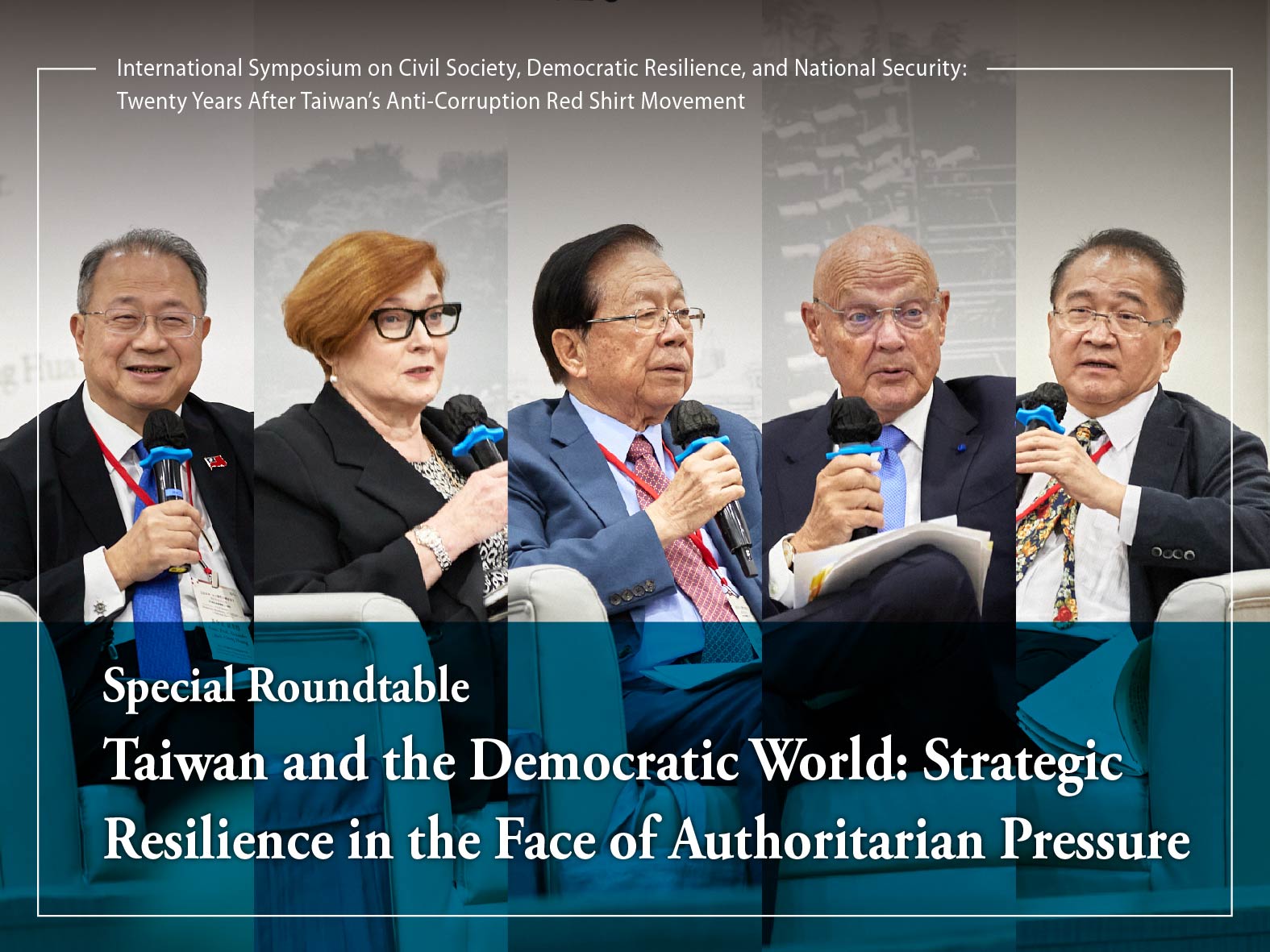
Moderator: Dr. Hung-Mao Tien; Panelist: Adm. James O. Ellis Jr., Hon. Marise Payne, Prof. Hseik-Wen Soong, Assoc. Prof. Alexander Chieh-Cheng Huang
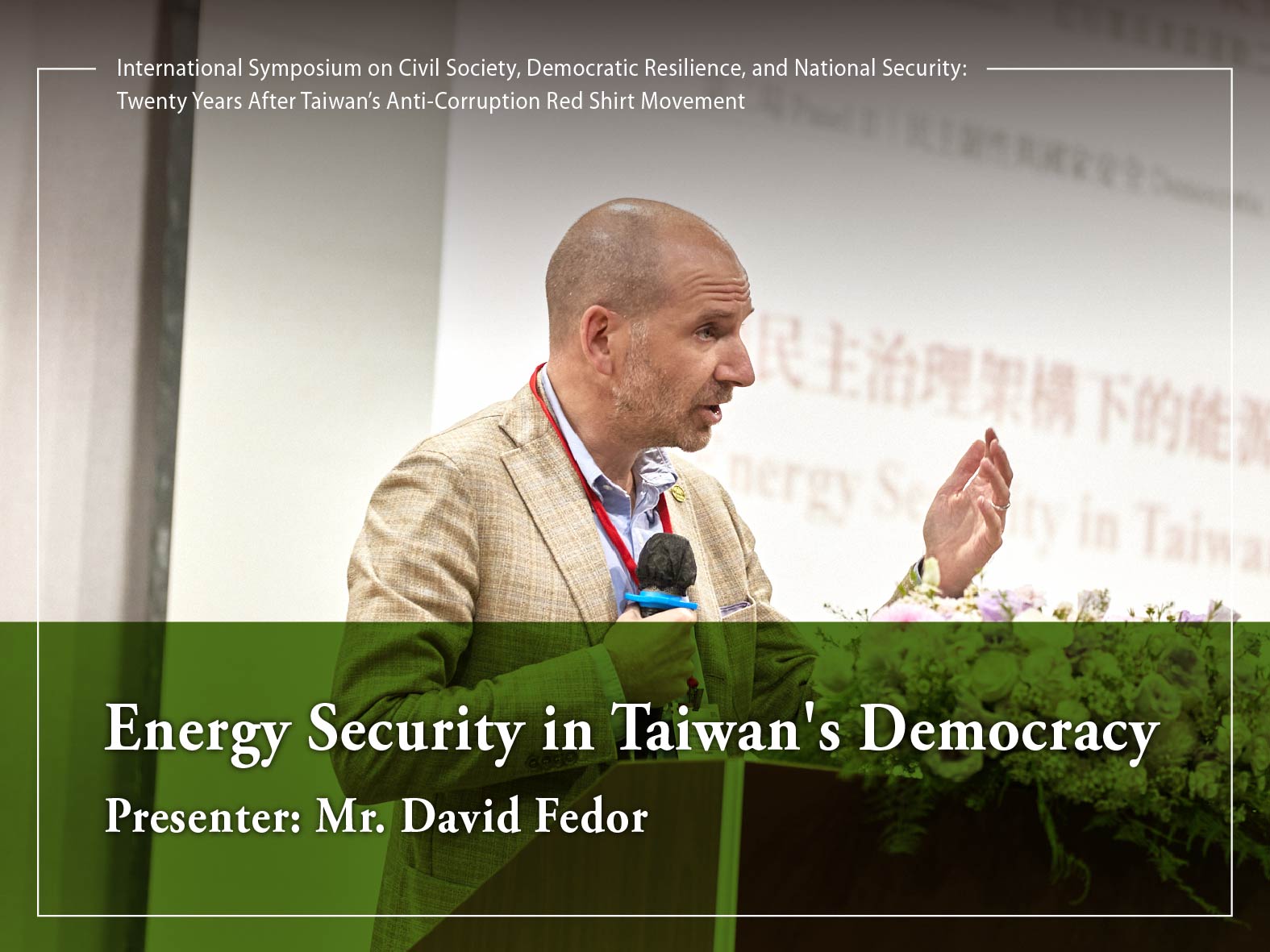
One of the key challenges facing the world’s market democracies today is how much “insurance” to buy for the security and resiliency of their key inputs, their supply chains, and their infrastructure—including energy.
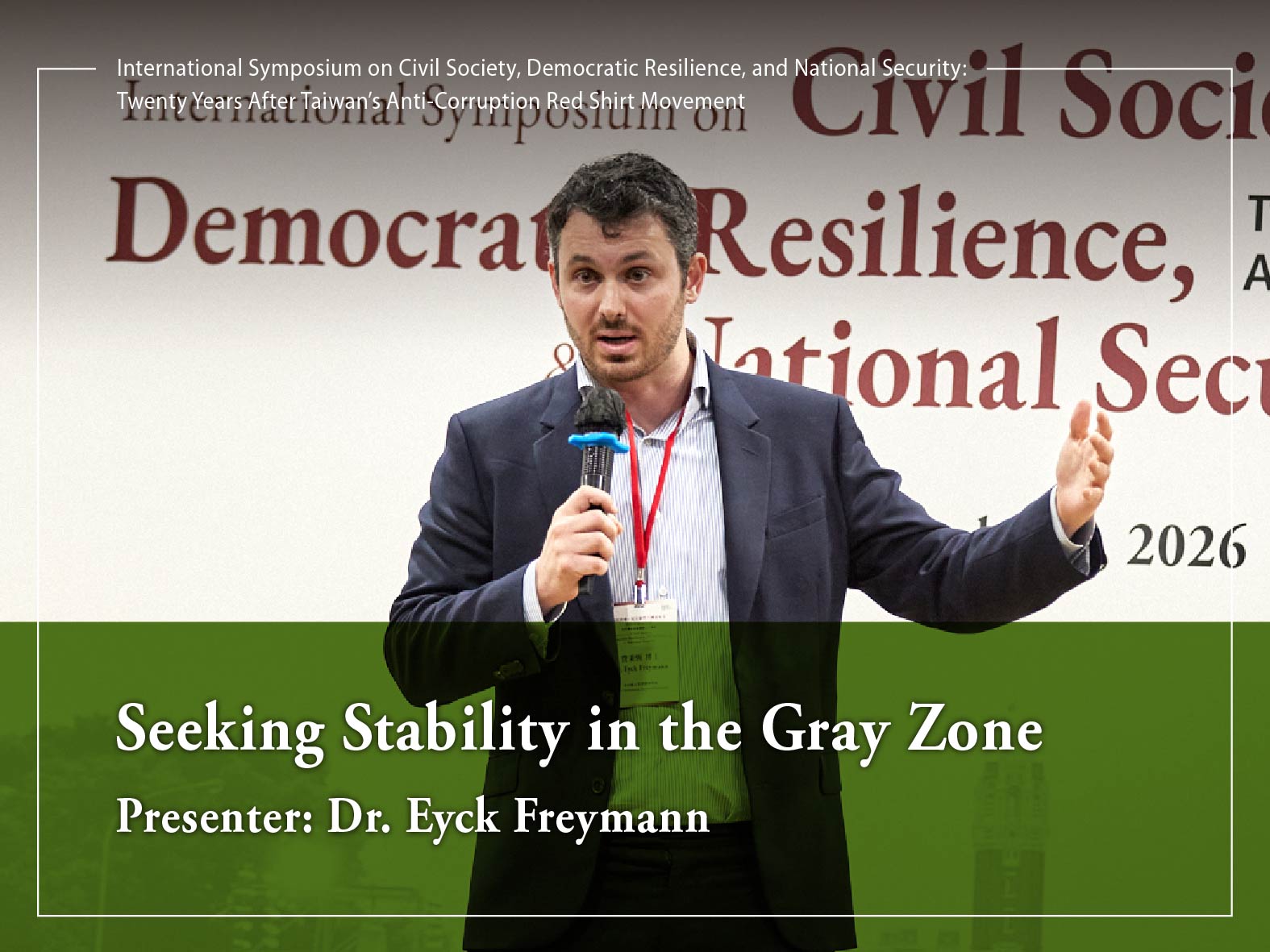
Taiwan is more economically and strategically important to the allied democracies today than it was even a year ago, thanks to AI. Whatever the U.S. government says and does, it has an abiding structural interest in keeping the Indo-Pacific free and open.
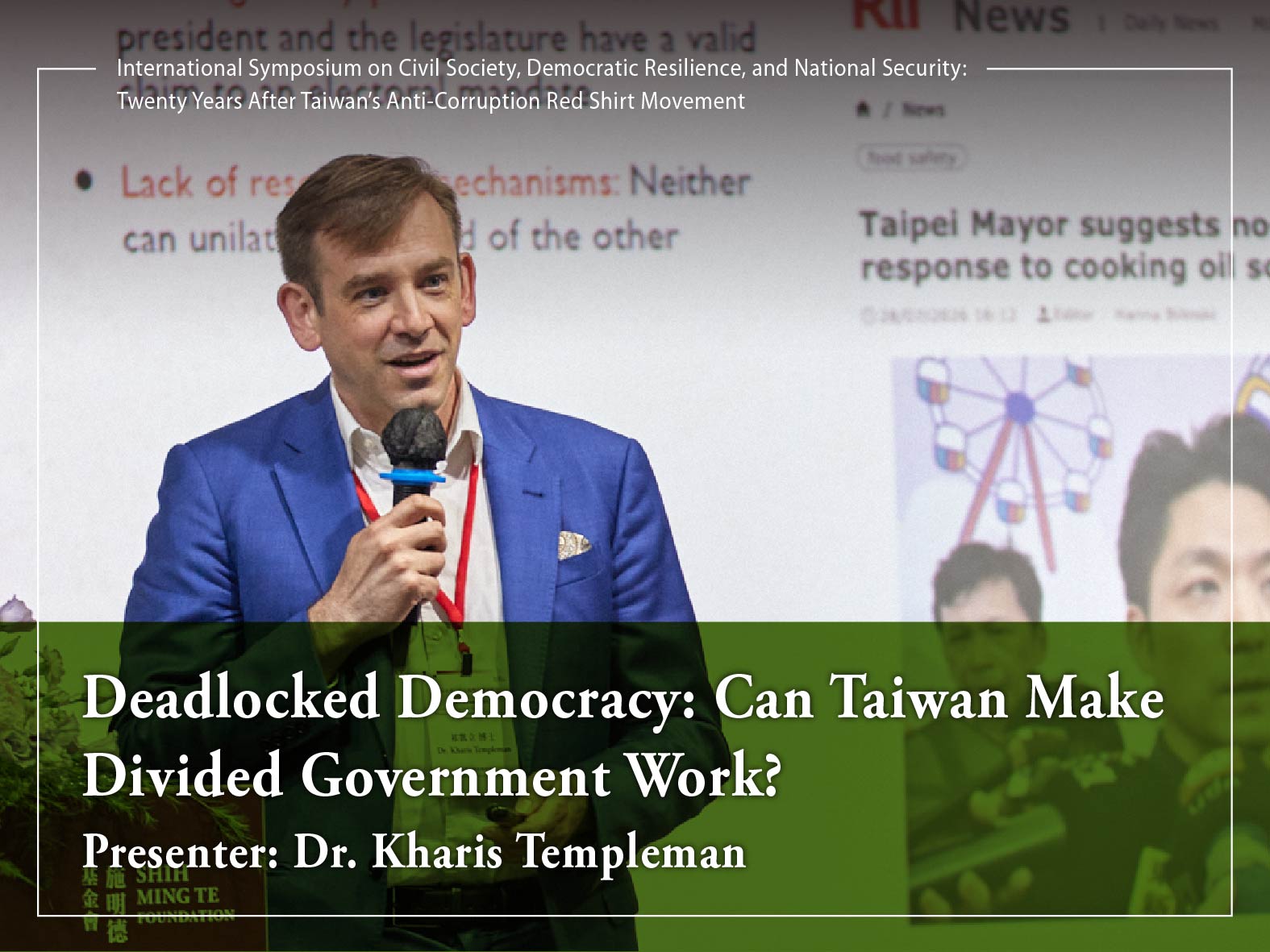
In May 2024, President Lai Ching-te took office while facing off against an opposition party majority in the legislature. Since then, Taiwan has been caught in a slowly escalating constitutional crisis.
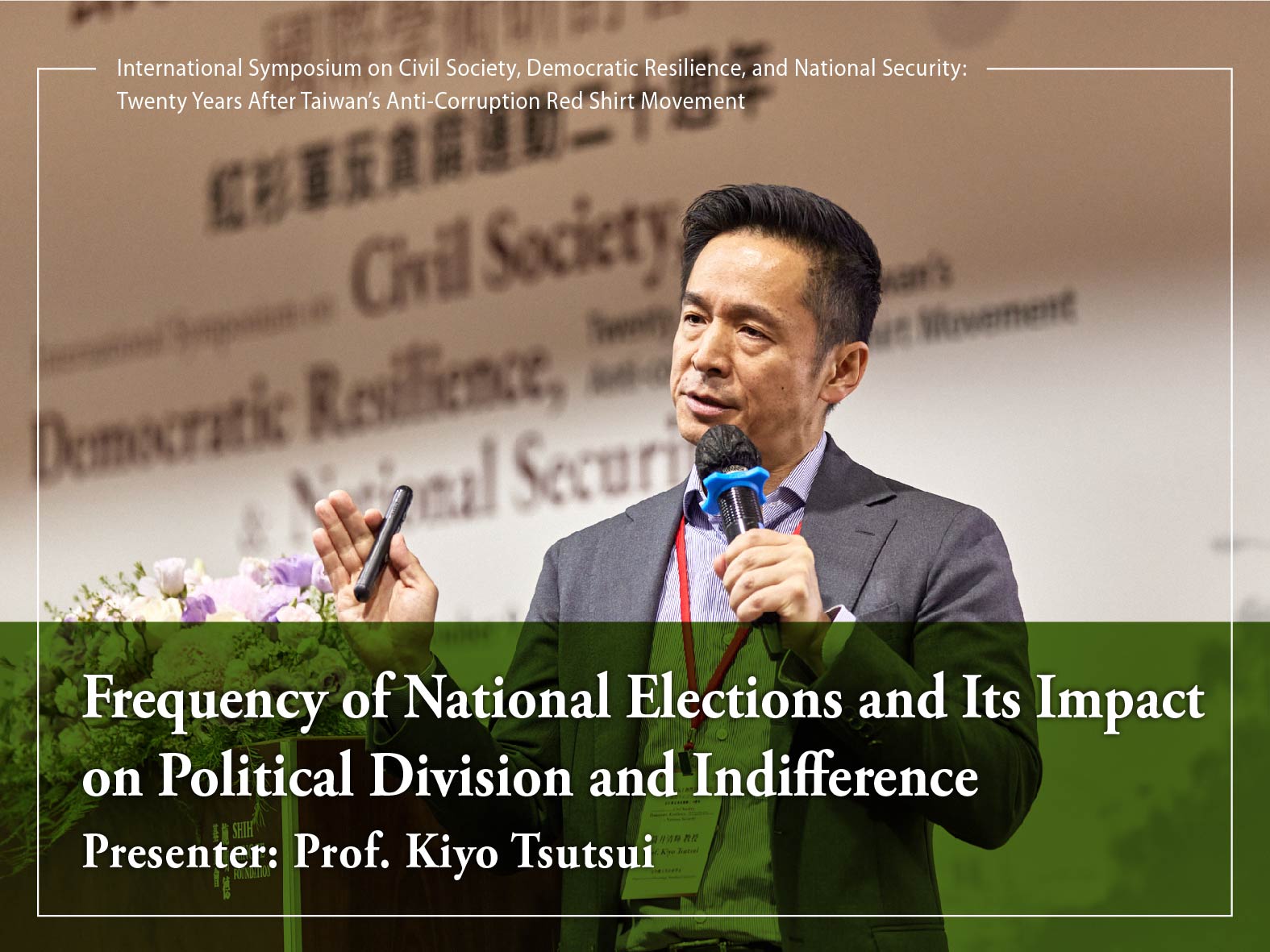
What might be the political consequences of having greater or fewer numbers of national elections? Comparative analyses show that countries with more national elections tend to have lower voter turnouts but the impact on political division is unclear.
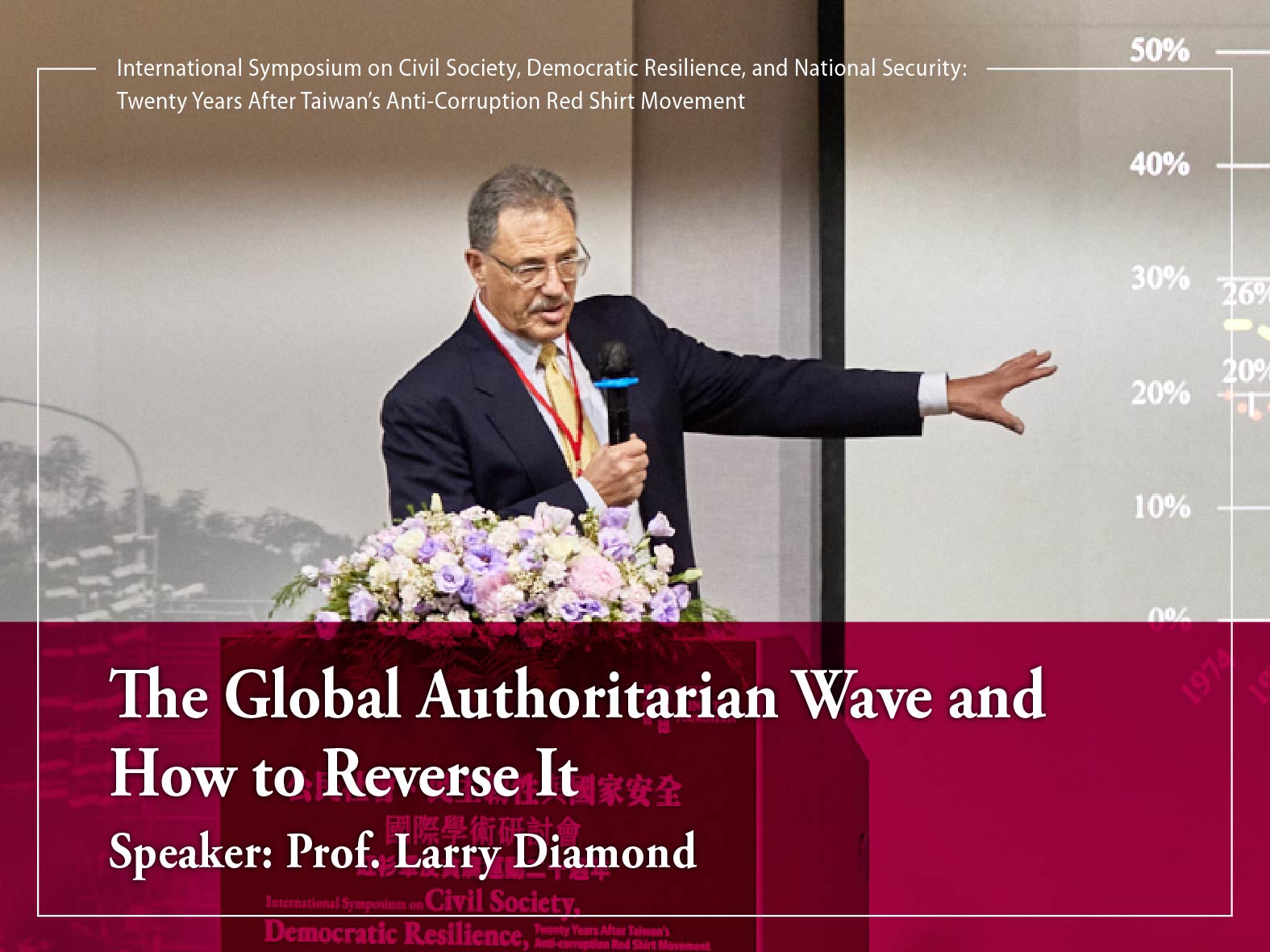
Beginning around 2006, the world fell into a democratic recession that has now lasted for two decades, morphing into a "third reverse wave of authoritarianism."
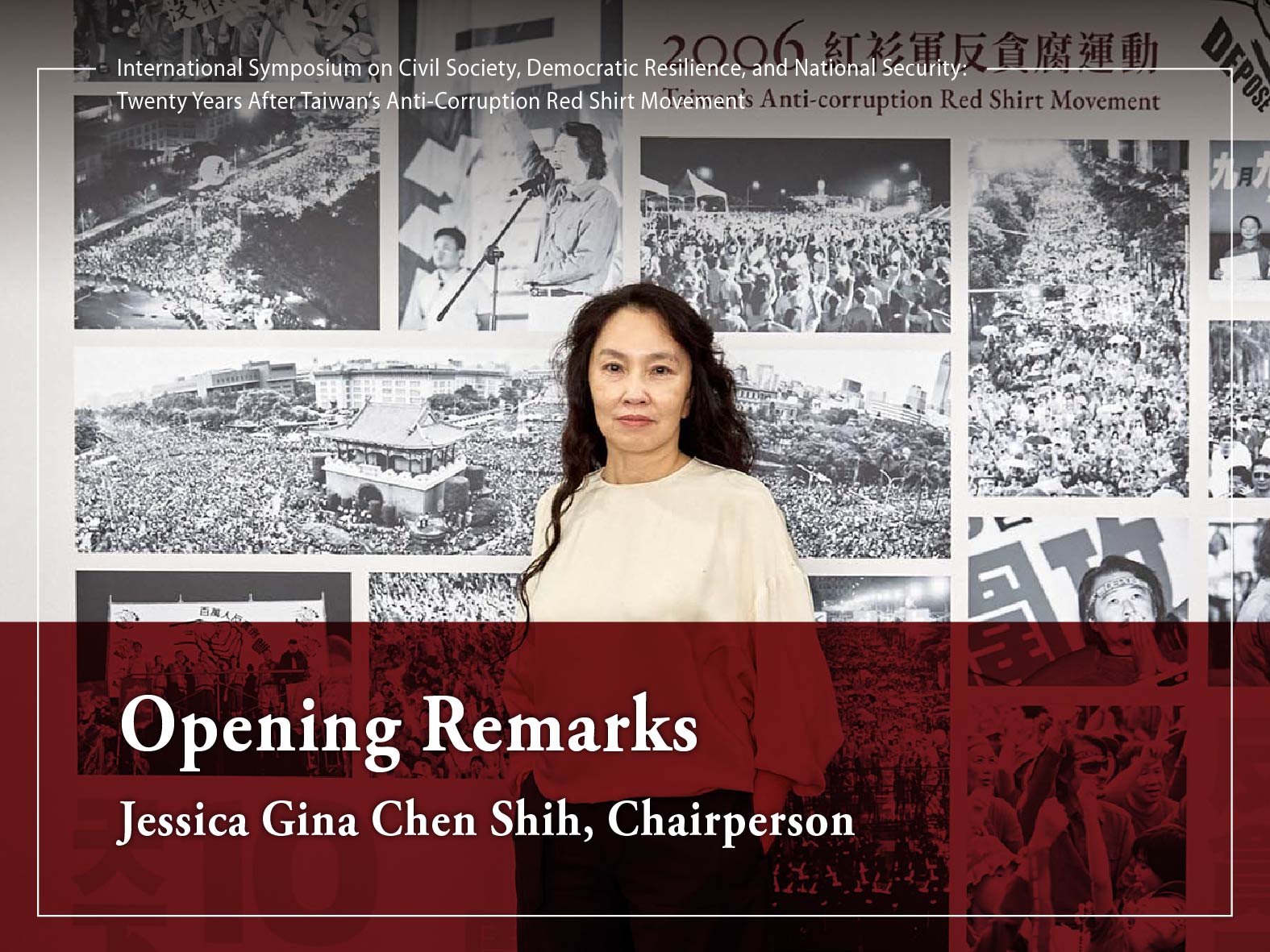
I hope that today's discussions will allow us to consider three questions together: First, how can civil society challenge power while preserving democratic order? Second, how can democratic institutions confront internal imbalance and self-erosion? Third, how can Taiwan safeguard its national security while joining the international community of democracies in defending a free and open way of life?
Once a nation has confirmed who she is, she must answer a harder question: what will allow her to hold firm? As external pressure and internal fractures grow at the same time, how far will she be bent out of shape? And once bent, will she still be the nation worth defending?
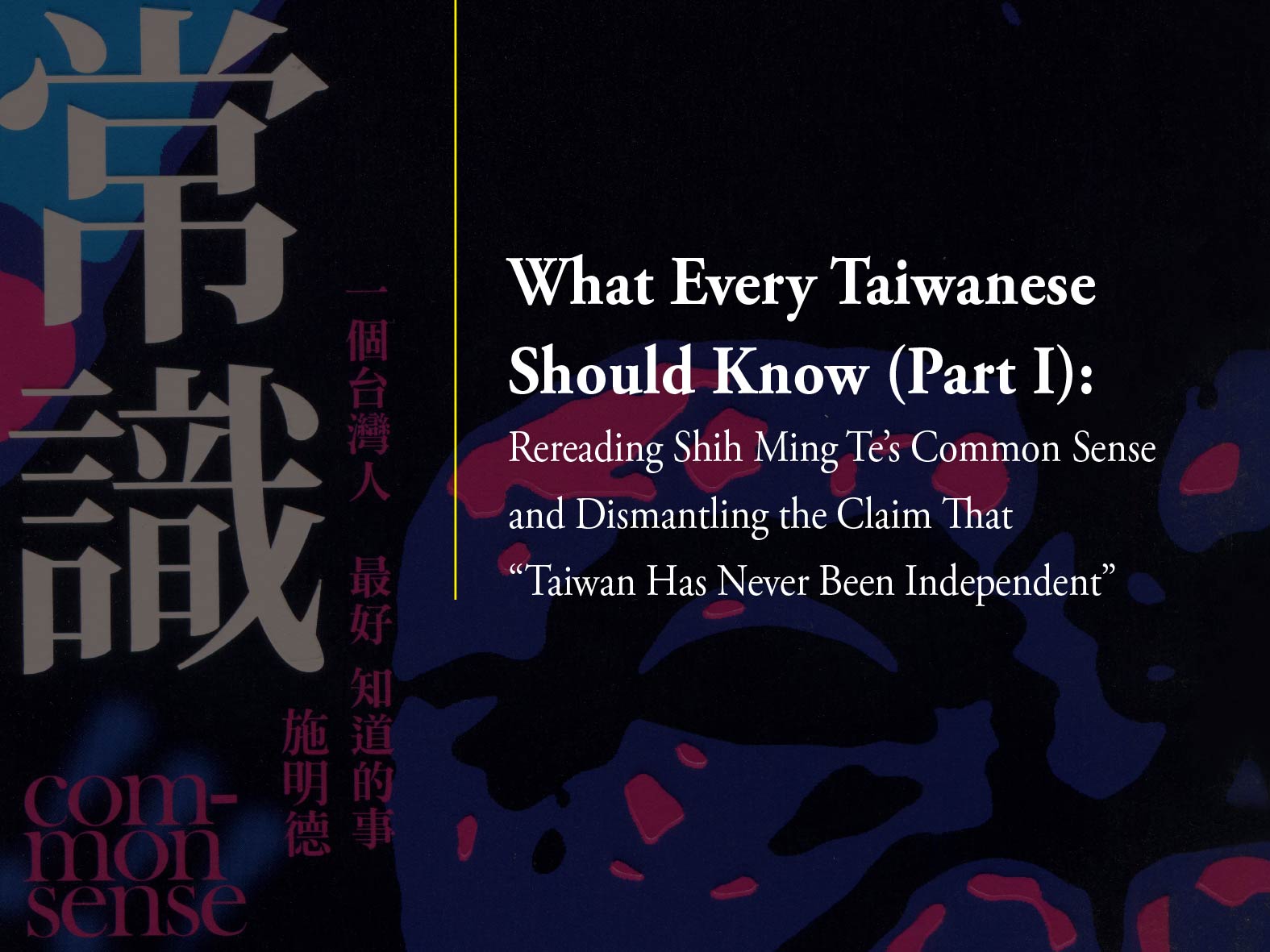
One August afternoon, I came across an old manuscript in my study. On its cover was a handwritten date: “Second proof, August 2011.” It was the last proof of Shih Ming Te’s Common Sense before it went to press. Fifteen years on, the paper has yellowed, but the pencilled corrections are still clear.
Twenty years ago, a million citizens took to the streets peacefully and rationally, demanding that political power submit to moral scrutiny and democratic oversight. The 2006 Red Shirt anti-corruption movement was not only a large-scale civic action; it also wrote a page in the history of Taiwan’s democratic development that cannot be passed over. Twenty years later, the world is changing dramatically, and democratic institutions are under pressure from within and without. Today, Taiwan must answer deeper and more urgent questions...
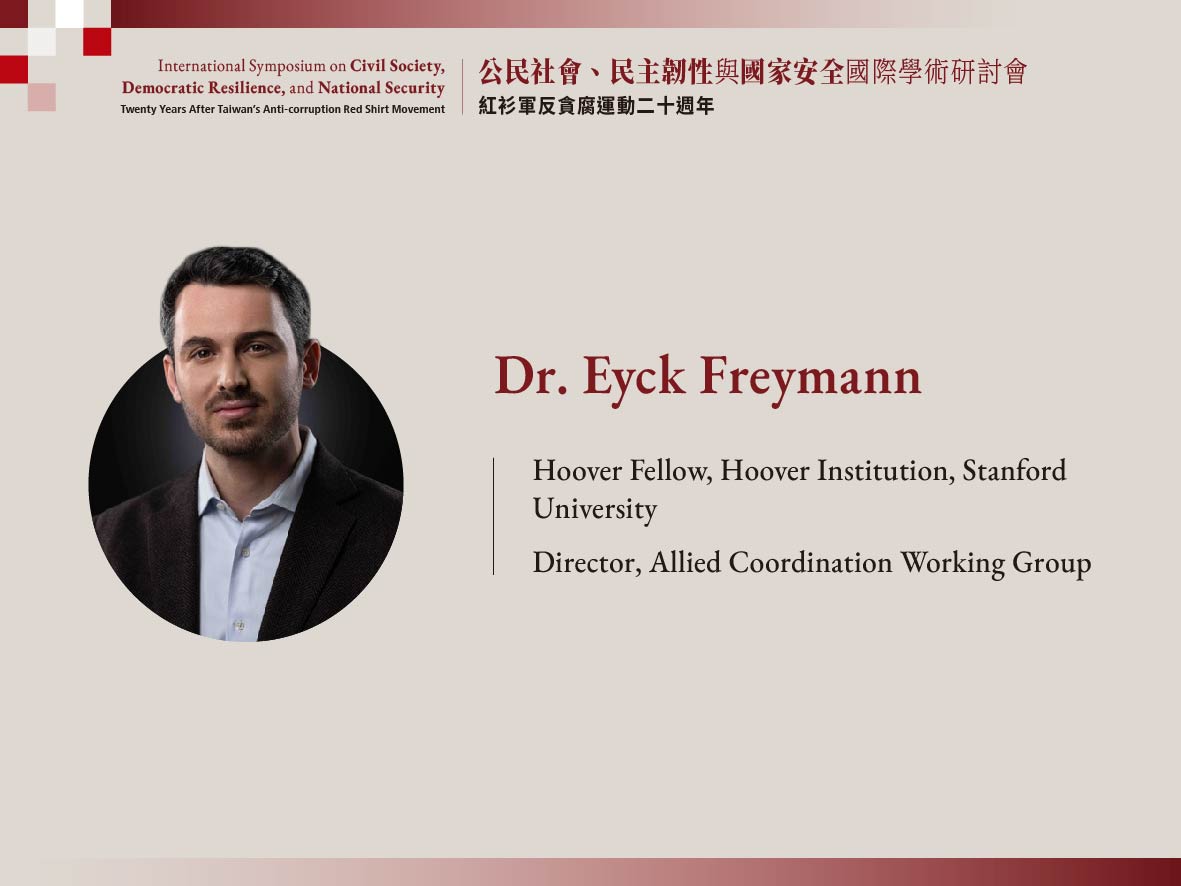
Freymann argues that whatever Washington may say or do at any given moment, the United States has a structural and enduring interest in keeping the Indo-Pacific free and open. For that reason, China is unlikely to test the United States with a full-scale invasion or blockade. Taiwan’s future is more likely to be decided by a crisis than by a war.
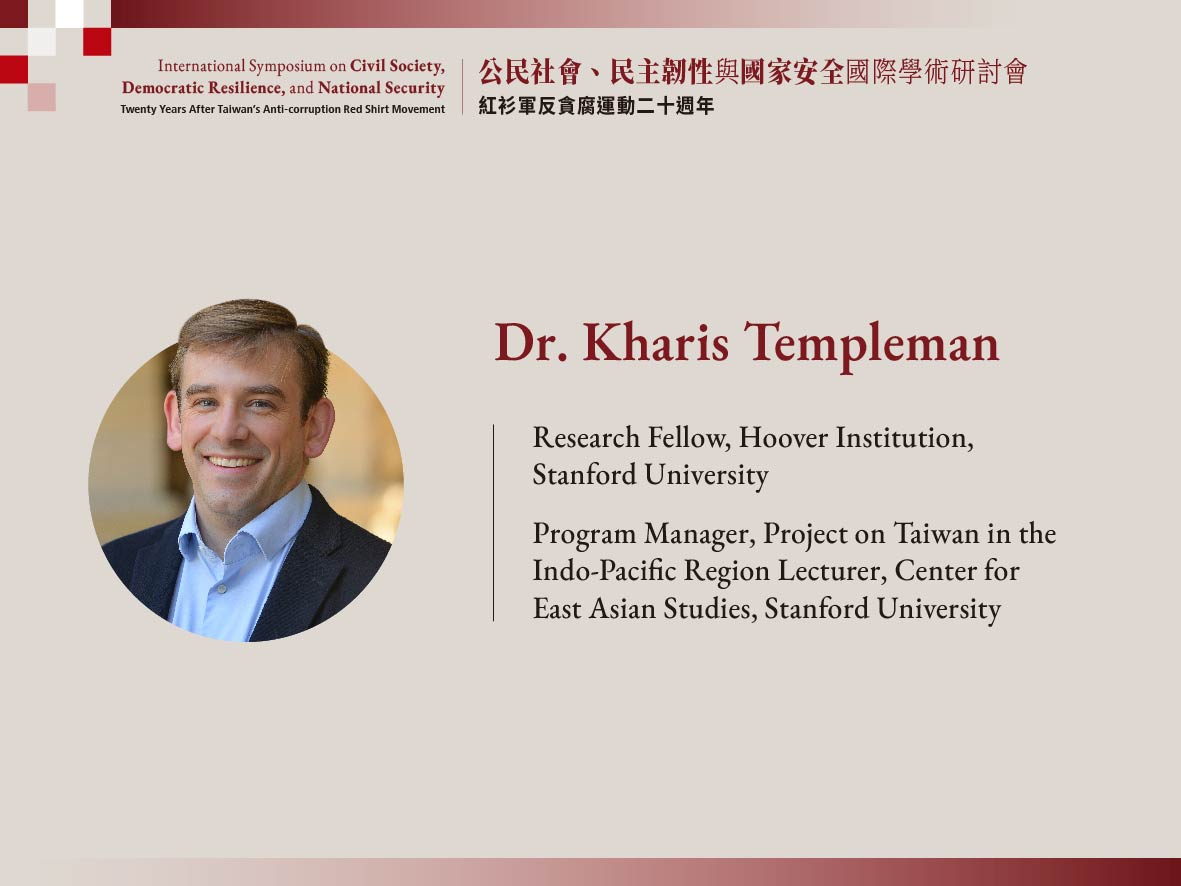
Democratic resilience is usually discussed in an external context: how to resist infiltration and how to respond to coercion. But resilience also has an internal dimension. When the executive and the legislature are held by opposing camps, can the system still function? Is gridlock simply the normal price of democratic checks and balances, or the beginning of an erosion of social trust?