
“Ten years, twenty years from now, people will ask: ‘Where were you then?’” — The Commander’s Confessions, pp. 112–113
In 2008, in court, Shih Ming Te made a prediction.
He said that the Red Shirt Movement had drawn in Chinese-speaking people around the world, and that ten or twenty years later, people would ask one another: Where were you then?
Then he recited the possible answers himself: I made the hundred-dollar pledge! I was on Ketagalan Boulevard for the 9/9 sit-in! I stood in the rain for the 9/15 candlelight siege! I watched the live news every day! I followed every development online every day!
What most mass movements leave to posterity is a record of success and failure: who stepped down, who came to power, which bill was passed in which year. That is how history books are written.
What the Red Shirts left behind was something else — an identity.
From Singapore, Malaysia, Thailand, Vietnam, and Hong Kong to mainland China, Europe, and North America, Chinese-speaking communities were deeply engaged for those three months and more. Most never set foot on Ketagalan Boulevard, but they kept watch at their screens every day. Shared memory is history, and in a society torn apart by Blue and Green, this memory was rare in belonging to neither side.
In the years after the movement ended, Shih Ming Te said, strangers often stopped him in the street. They all said the same thing: Commander, I am a Red Shirt. He wrote that their pride was plain to see.
Note the tense of that sentence. Not “I took part in the Red Shirt Movement,” but “I am a Red Shirt.” A movement that had ended had become part of who a person is now.
In 2026, the time he foretold has arrived.
Where were you then? Now the question can be asked. And everyone who can still answer it is living proof that this history is still alive.
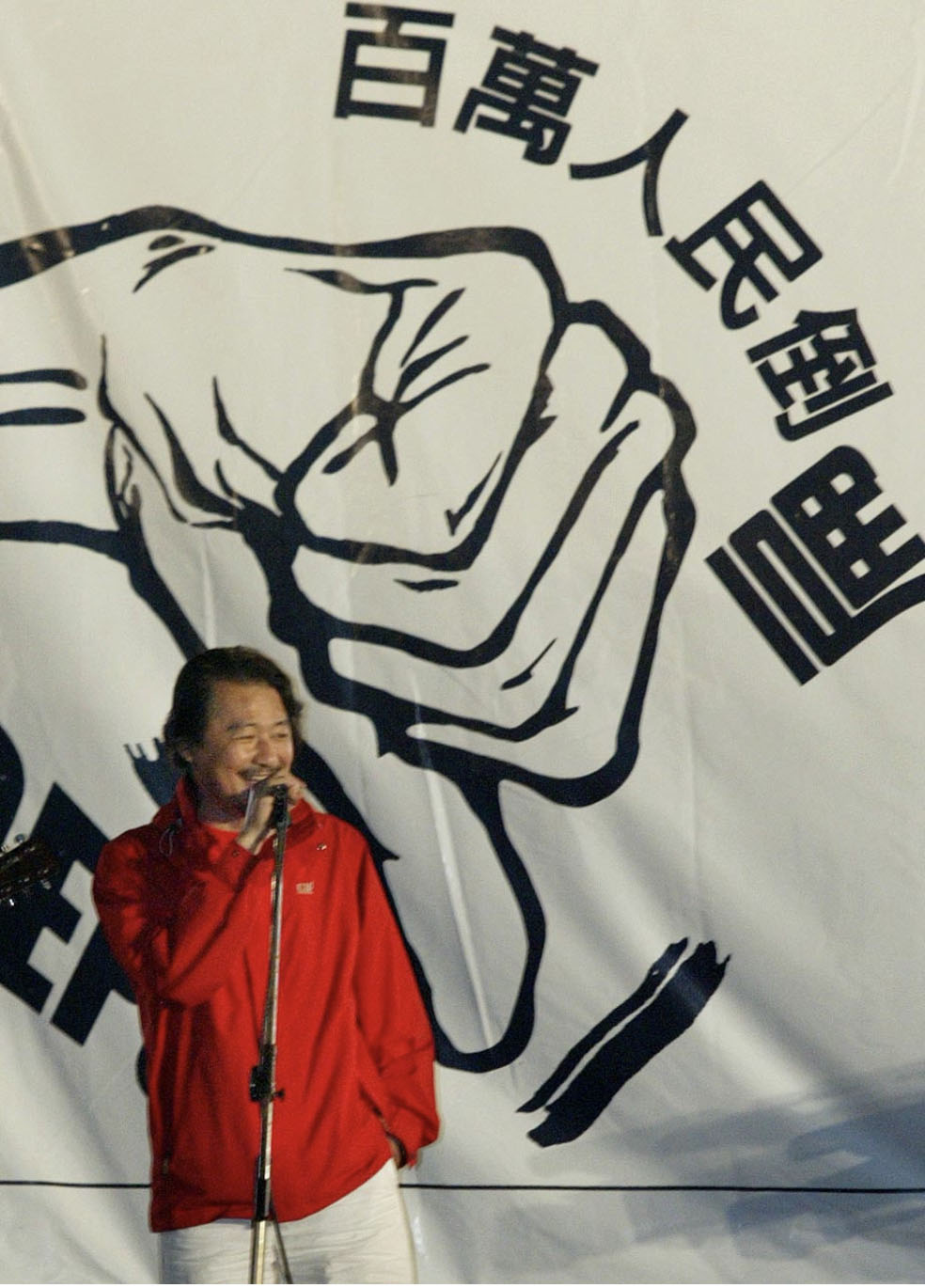
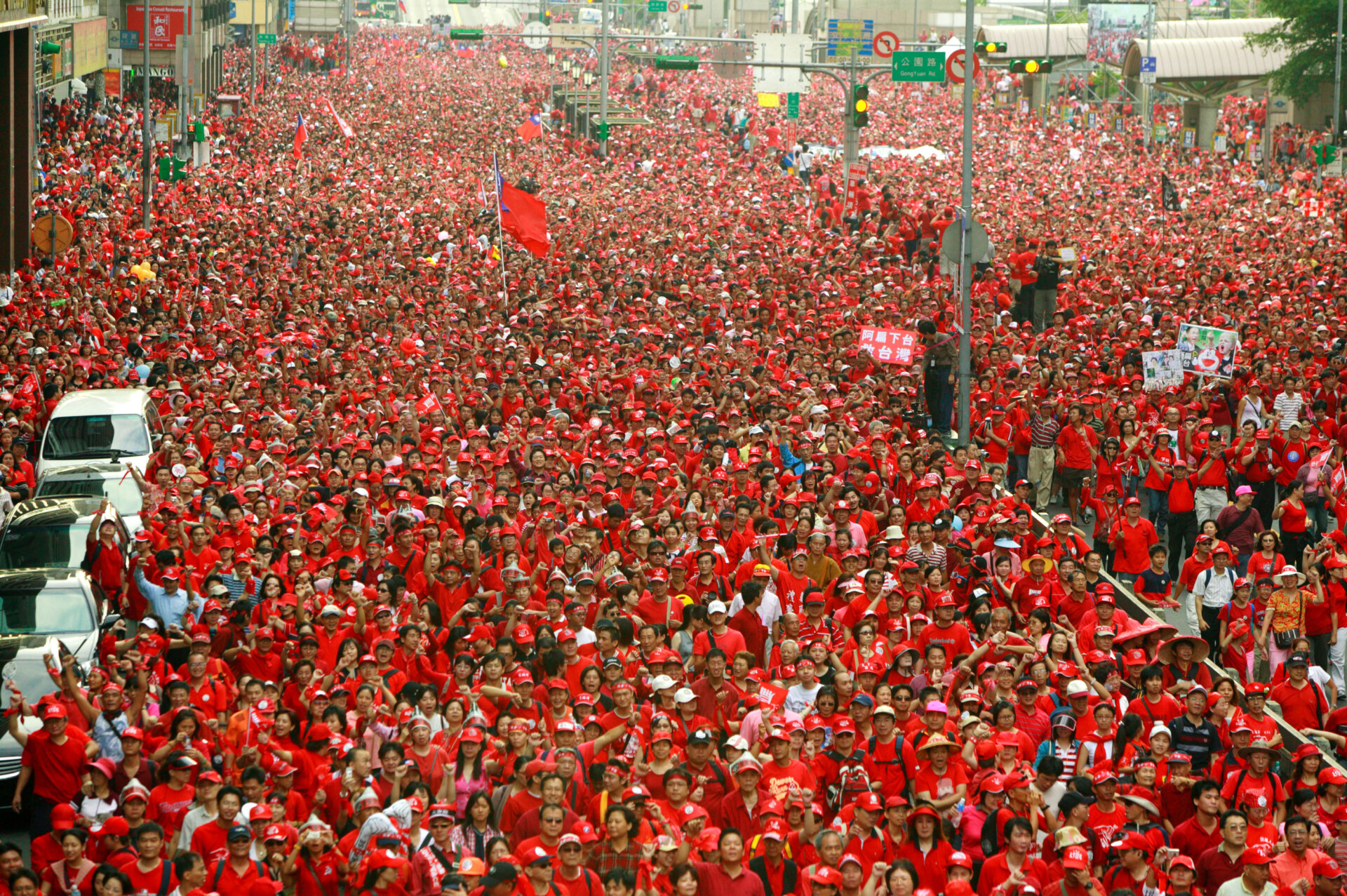
October 10, 2006, the Nationwide Siege.
Source: Shih Ming Te, The Commander’s Confessions, 2009, pp. 112–113, 56–57. The quotation is from “On the Brink of Civil War: Final Statement at the Red Shirt Trial.”

Want to learn more about the Red Shirt Movement and the innermost confessions of its commander-in-chief, Shih Ming Te?
Click here to read more about The Commander’s Confessions and get your copy.
If you were a Red Shirt, or if your family still has objects, photographs, or giro receipts from that time, the Shih Ming Te Foundation is collecting materials on the Red Shirt Movement from the public. Twenty years on, these scattered items are the hardest part of the record to rebuild.
The Shih Ming Te Foundation needs your support.