

October 10, 2006, the Nationwide Siege. Go west? They would certainly seize the Presidential Office. Go east? A bloody clash in Taiwan would be avoided. A critical moment, a critical decision.

On National Day, the anti-corruption headquarters launched the “Nationwide Siege.” Outside the restricted zone, a red human chain encircled the National Day ceremony grounds.

On the evening of the fifteenth, nearly a million anti-Chen protesters from across the country turned the 5.5-kilometer area around the Presidential Office and the Yushan Residence red, drawing a red dragon through the Taipei night. The vast procession set out from Ketagalan Boulevard and encircled the Presidential Office and the presidential residence, the marchers raising the “Bian, step down” hand sign and shouting “A-Bian, step down!”

On September 9, 2006, the sit-in against corruption and for Chen’s removal formally began. Hundreds of thousands took part, twice circling the “Nazca Line” route. At the sit-in, dozens of subwoofer speakers played “September Nine, A-Bian’s Days Are Numbered!” as hundreds of thousands of protesters on Ketagalan Boulevard in Taipei shouted for Chen to step down. The effect was overwhelming.

From the evening of September 1, 2006, the anti-corruption headquarters moved to Ketagalan Boulevard and held a series of small-scale “general mobilization briefings” as rehearsals for the sit-in protest. More than two hundred chairs were set out, and each trial sit-in lasted thirty minutes. When each sit-in ended, everyone raised the “Bian, step down” hand sign and shouted “A-Bian, step down!”
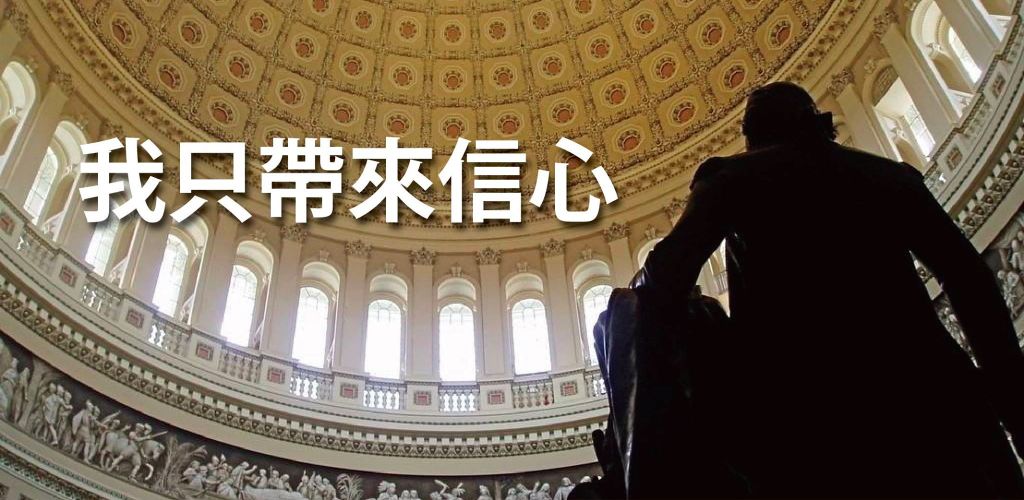
The full text of Mr. Shih Ming Te’s statement at a U.S. congressional hearing in 1990:
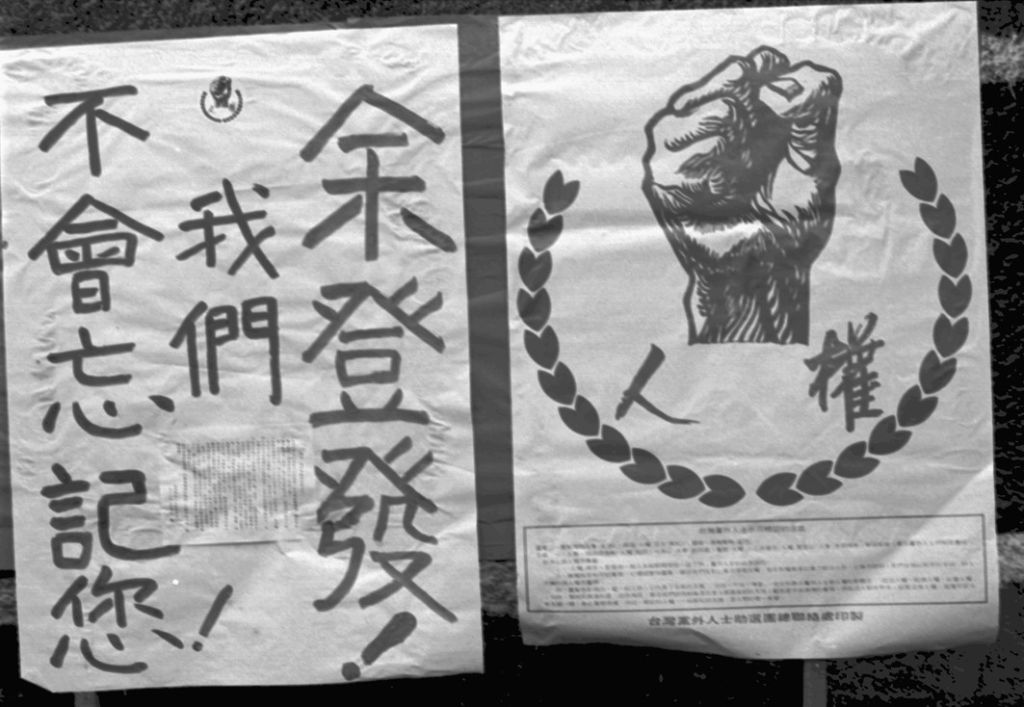
In 1979, responding to the political situation created by the severing of diplomatic relations between the United States and the Republic of China, the KMT not only suspended elections but arrested former Kaohsiung County Magistrate Yu Teng-fa. The Tangwai launched wave after wave of rescue efforts.
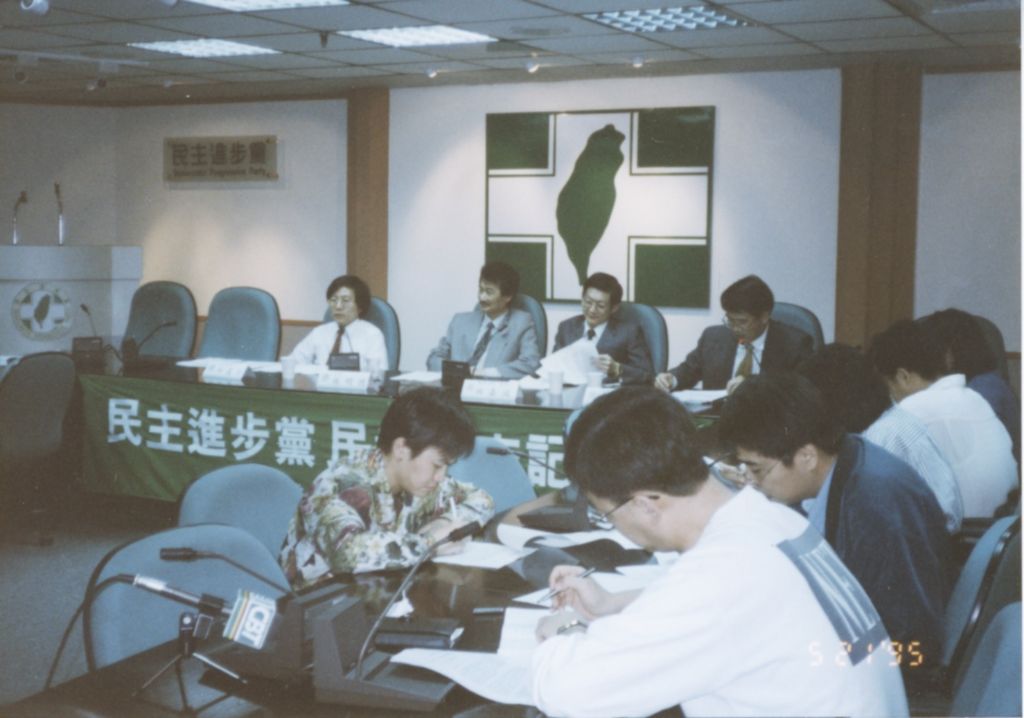
In 1994, in the days when the DPP still had leadership, its chairman said this:
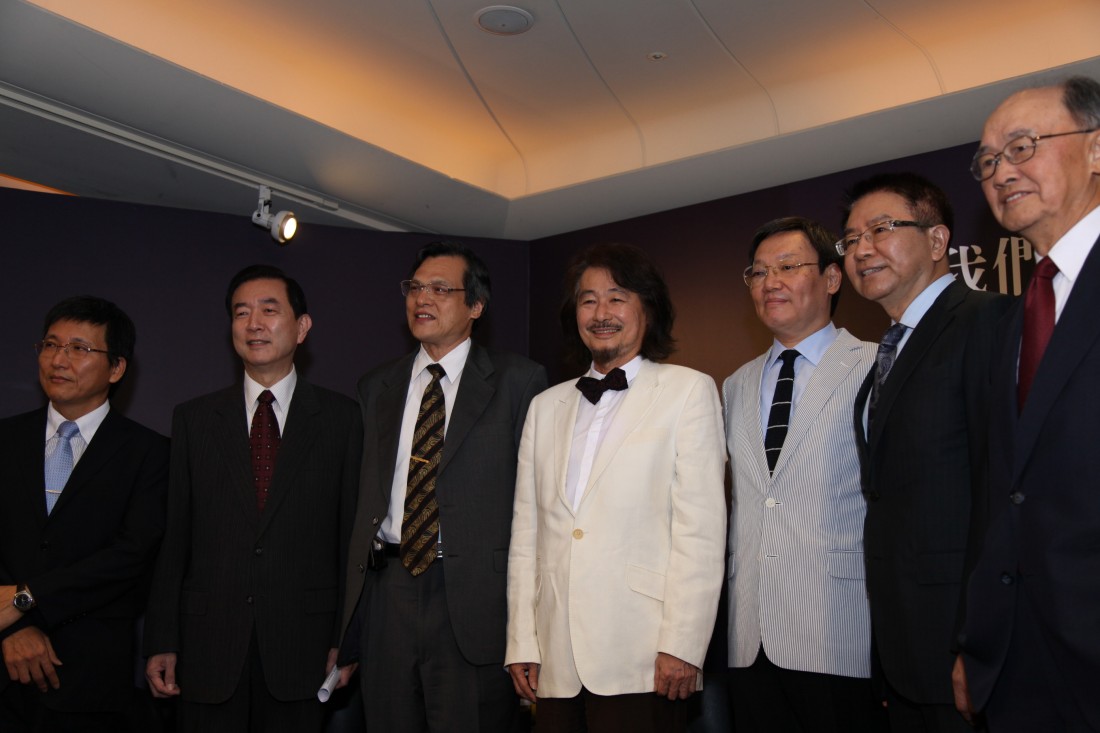
We, who once belonged to different political parties and who during the martial-law era stood on different sides, have — out of loyalty to our nation and deep love for Taiwan — broken through the shackles and barriers of the mind. After months of meetings and discussion, we now, in our individual capacities, put forward “Five Principles” as a proposed solution to the “China question” or “Taiwan question” that has long troubled the governments and peoples on both sides of the Strait:
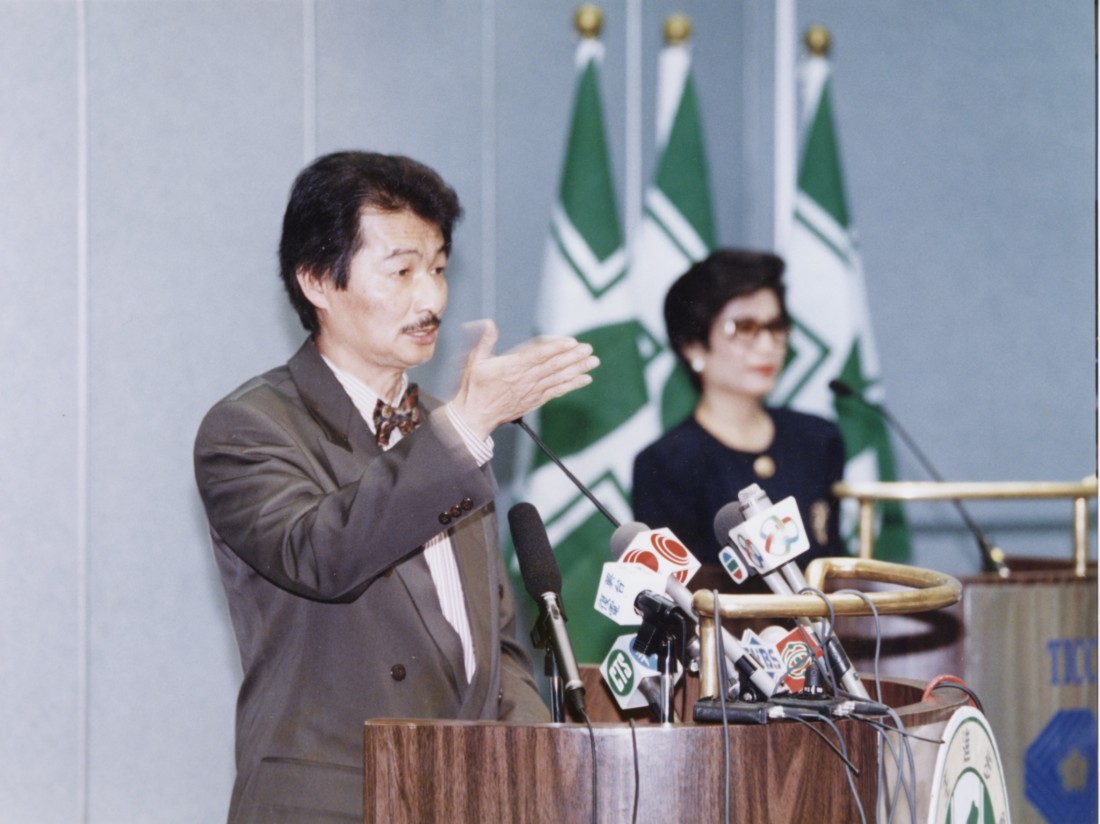
This is the DPP’s history — from the days when the DPP still had leadership…
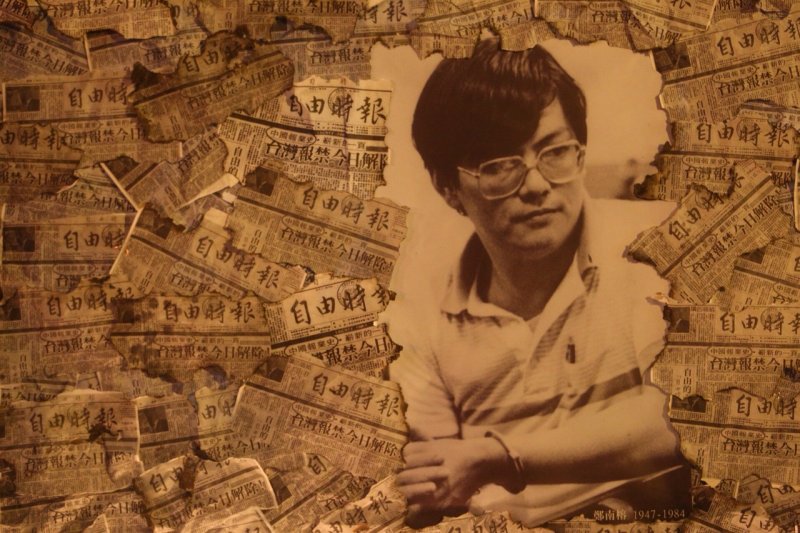
“Everyone, soldiers should die on the battlefield, not in the streets; teachers should die in the classroom and the lecture hall. My brother, as a journalist, used his blood as paint and his flesh as material, and with dignity forged an immortal civic character in the gasoline flames. He died a worthy death: as editor-in-chief, he died in the editor-in-chief’s office. There is nothing shameful in it at all. We, his family, are the most honored family in Taiwan’s four hundred years.” — Cheng Ching-hua
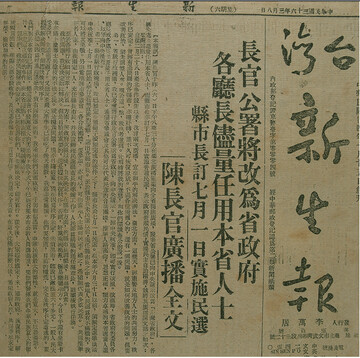
The era of 228 had no martial law and no “newspaper ban.” The people of Taiwan then were in step with modern citizens around the world: strikes and street protests were nothing unusual, and the people of Taiwan still enjoyed the freedom to publish newspapers — the People’s Herald, the Shin Sheng Daily News, the Min Pao, the Ta Ming Pao, and others. Yet in March 1947, these leading figures of the press were all assassinated at once! How could that be? Why? How could it be merely because of a “contraband cigarette” crackdown on Yanping North Road? What they demanded was plainly “political reform” — written in black and white in the newspapers of that year, was it not?